Magic Kingdom: The Flagship Capital of the Disney Empire
Architectural Grandeur and the Complete Resort Ecosystem
Magic Kingdom at Walt Disney World is the most visited theme park on the planet, serving as the glittering, iconic centerpiece of central Florida tourism. It is a park built on a grand, sweeping scale, designed to welcome millions of international travelers every year. While a fascinating contrast exists when comparing it to its historic sister park in California, the moment you zoom out and look at the entire four-park Florida resort, Magic Kingdom anchors an ecosystem that stands entirely unrivaled.
Choosing to visit Walt Disney World means stepping into an isolated holiday bubble. The seamless transportation system of monorails, boats, and skyliners connects Magic Kingdom to a massive network of themed resort hotels and three other world-class parks. When you couple Magic Kingdom with the cultural tapestry and culinary excellence of Epcot, the cinematic immersion of Disney's Hollywood Studios, and the breathtaking, animal-centric detail of Disney's Animal Kingdom, Orlando becomes an unbeatable global juggernaut. It creates a week-long, fully immersive vacation experience that landlocked properties simply do not have the physical space to match.
Towering Icons and Modernized Adventures
Despite its massive footprint, Magic Kingdom boasts structural triumphs and high-tech additions that provide a truly world-class experience.
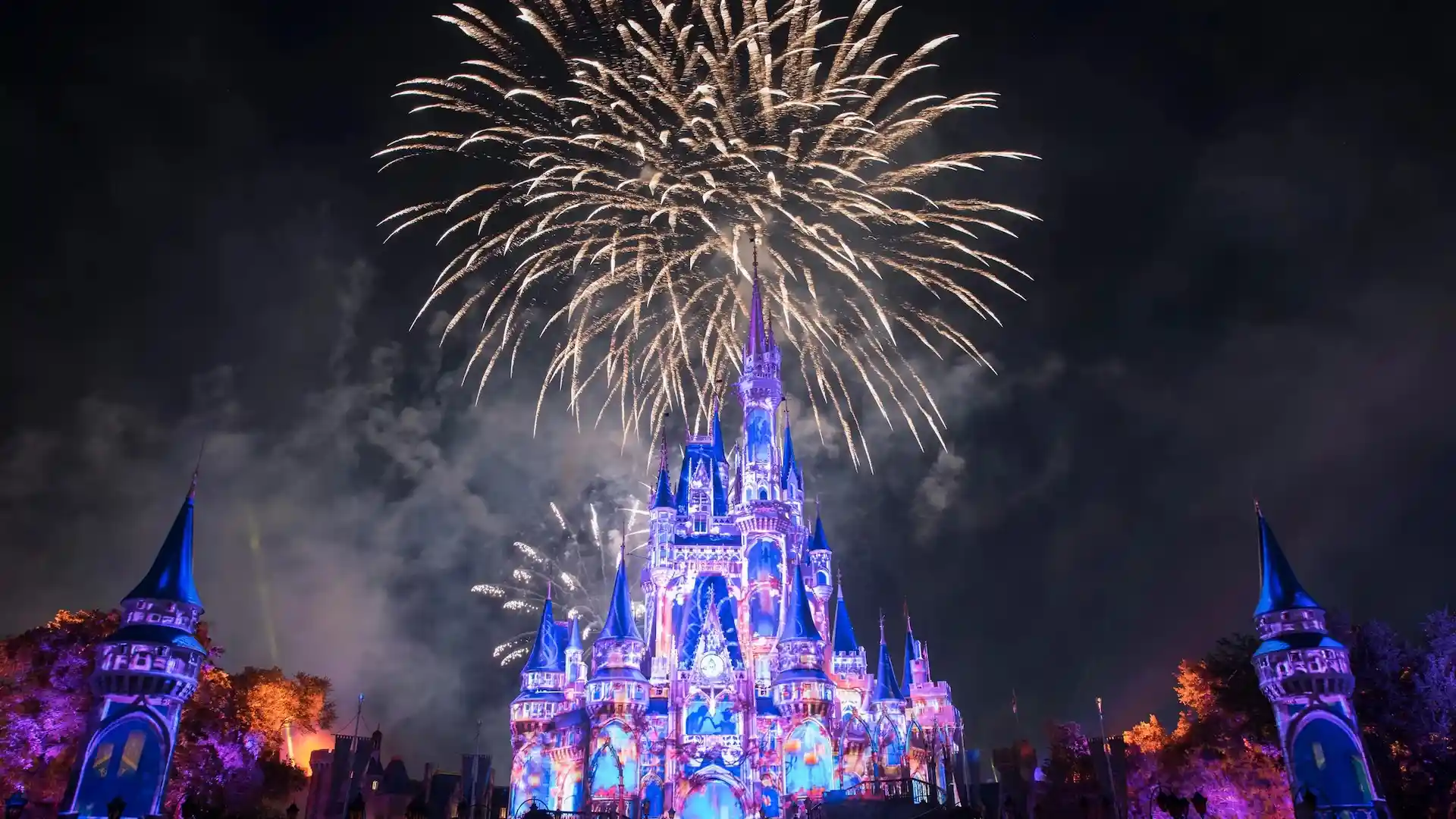
- A Grand Visual Anchor: Cinderella Castle is an absolute marvel of theme park architecture. Standing at nearly 190 feet tall, its massive scale makes the nightly fireworks spectacular, Happily Ever After, a profoundly emotional and visually superior event, as the projections map flawlessly onto the giant stone facade.
- Tron Lightcycle Run: This sleek, canopy-covered launch coaster brings a much-needed injection of modern speed and sci-fi aesthetic to Tomorrowland.
- Tiana's Bayou Adventure: This musical log flume brings vibrant colors, infectious energy, and spectacular new animatronics to Frontierland.
- Seamless Magic: Because the park was built on top of a massive network of underground tunnels called utilidors, you never see costumed cast members or trash carts interrupting the fantasy of the lands above.
Considerations for Scale, Pacing, and Planning
Because Magic Kingdom was designed to accommodate incredible global crowds, the park prioritizes capacity and flow, which can sometimes alter the intimate charm and pacing that theme park purists look for.
- A Shift from Intimate Charm: Disneyland in California was built under a layout that resulted in an intimate, tightly packed masterpiece. Magic Kingdom, opening in 1971, was designed to fix crowding problems by expanding the physical footprint. While this corporate scale successfully solved traffic flow, it can occasionally feel like it traded away a bit of the organic, historical charm.
- Ride Variation Adjustments: Several classic attractions feature structural differences on the east coast. For instance, the Florida version of Pirates of the Caribbean is noticeably shorter, missing some of the atmospheric buildup and scenes found in the original. Similarly, Florida's Space Mountain features a more rugged, coaster-style seating arrangement that lacks the smooth, audio-infused ride experience found in Anaheim.
- Atmospheric Differences: Magic Kingdom features Liberty Square rather than the winding, intimate pathways of California's New Orleans Square. While Liberty Square is historically beautiful and meticulously researched, its colonial American aesthetic carries a more formal tone compared to the lively jazz music and cozy dining spaces found out West.
- The Physical Endurance of a Larger Footprint: Because the park was built to spread out crowds, the distance between attractions is immense. Walking from Adventureland to Tomorrowland is a serious trek, which can become physically demanding when combined with the intense central Florida humidity and a relative lack of midday shade.
- Digital Management Requirements: Navigating Magic Kingdom efficiently requires a fair amount of pre-planning. Between managing digital park reservations, booking Lightning Lane passes, and entering virtual queues on your phone, the organic joy of just wandering can feel a bit compromised by the need to act as a digital manager.
The Verdict
As a standalone theme park, Magic Kingdom exchanges historical intimacy and certain ride variations for massive capacity and crowd comfort. It is a park built for grand scale rather than tightly packed charm. However, when viewed as the flagship anchor of the world's most complete, immersive, four-park vacation resort, Magic Kingdom helps deliver an overall destination experience that remains entirely unmatched in the industry.